
Why Every Small Business Needs an Employee Handbook: Key Elements & Big Benefits
Discover why an employee handbook is essential for small businesses, what to include, and how it boosts retention and protects your company.
EMPLOYEE POLICIES + PERFORMANCEHIRING + ONBOARDINGCULTURE + EMPLOYEE MORALE
Raquel Woronecki, Biztopia
3 min read
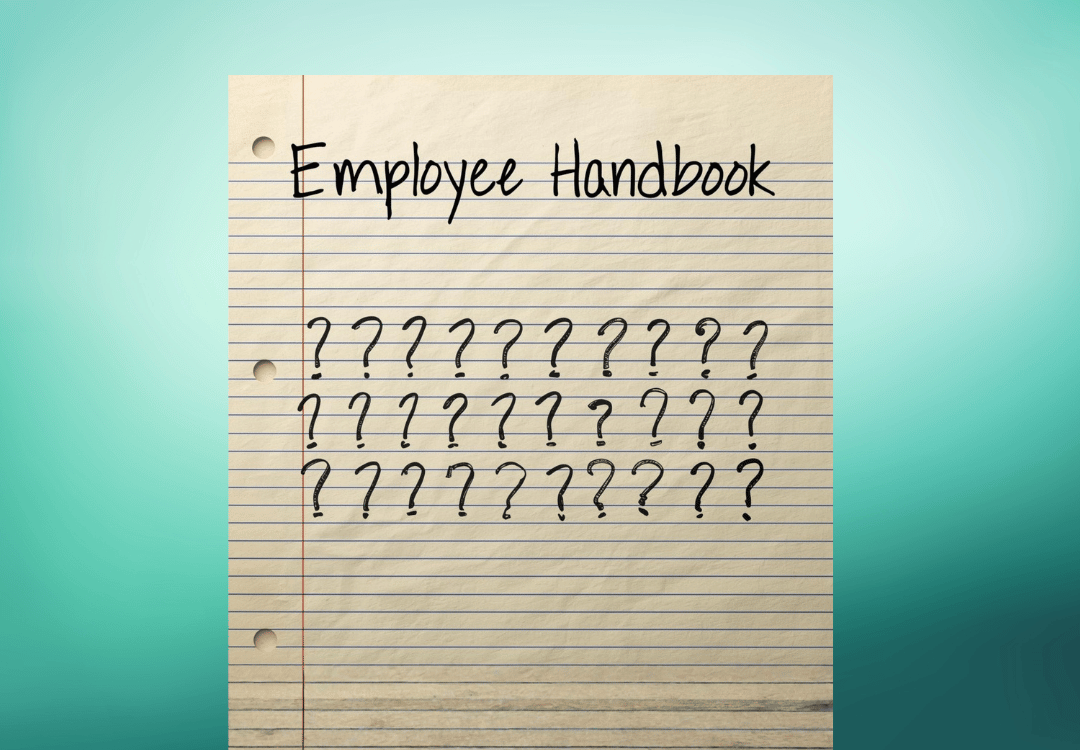
When you’re running a small business, it’s easy to think an employee handbook is just for the big guys. But here’s the truth: whether you have two employees or twenty, a clear, well-crafted handbook is one of the smartest investments you can make—for your team, your culture, and your own peace of mind.
Why a Handbook Matters—No Matter Your company Size
An employee handbook isn’t about bureaucracy or red tape. It’s about:
Setting expectations
Protecting your business
Building trust and consistency
Saving time (and headaches) down the road
According to a 2023 study from the Society for Human Resource Management (SHRM), 56% of small businesses with fewer than 50 employees have a formal handbook—and those that do report fewer disputes and greater employee satisfaction. In fact, businesses with clear written policies are 40% less likely to face legal claims from employees (NFIB).
What Can Go Wrong Without One?
Confusion: Employees don’t know what’s expected, leading to inconsistency and misunderstandings.
Risk: Without documented policies, you’re vulnerable to legal disputes or claims of unfair treatment.
Lost Time: Managers spend more time answering repetitive questions or resolving avoidable issues.
Missed Culture: Without a handbook, your company values and culture can get lost in translation.
The Value of an Employee Handbook
A handbook is more than a rulebook. It’s your chance to:
Welcome new hires and set the tone
Clarify benefits, time-off, and workplace policies
Outline your mission, values, and what makes your business unique
Demonstrate professionalism to employees, partners, and clients
Provide a consistent reference point for everyone on your team
Fun fact: According to Zenefits, companies with handbooks see up to 50% higher employee retention—because clear communication builds trust and loyalty.
Key Elements of an Effective Employee Handbook
A great employee handbook is practical, easy to read, and tailored to your business. Here’s what every small business handbook should cover:
1. Welcome & Company Overview
A friendly welcome letter from the owner or leadership
Brief history and mission of your business
Core values and what makes your company unique
2. Employment Basics
Employment classifications (full-time, part-time, temporary)
Equal opportunity statement
Intro to payroll, pay schedule, and timekeeping
At-will employment disclaimer (if applicable in your state)
3. Workplace Policies
Code of conduct and professional expectations
Anti-discrimination and harassment policies
Attendance, punctuality, and time-off procedures
Dress code or appearance guidelines
Health and safety information
4. Compensation & Benefits
Pay structure, raises, and bonus policies
Benefits overview (health insurance, retirement plans, etc.)
Paid time off, holidays, sick leave, and family leave
5. Communication Guidelines
How to address workplace concerns or complaints
Social media and technology use
Open-door policy or feedback channels
6. Disciplinary Procedures
Steps for addressing policy violations
Progressive discipline approach (if used)
Grounds for immediate termination
7. Acknowledgement Form
A simple form for employees to sign, confirming they’ve read and understood the handbook
Tips for Making Your Handbook Work for Your small business
Keep it clear and plain-English. Avoid legal jargon and corporate speak.
Make it accessible. Share a digital version and keep printed copies available.
Update regularly. Review at least once a year or when policies change.
Reflect your culture. Use your brand voice—warm, welcoming, and real.
Train on it. Review the handbook with new hires and discuss key policies in person.
The Value of Having a Handbook
A well-written handbook protects your business, fosters a positive workplace, and helps everyone pull in the same direction. It sets the tone for fairness and transparency, reduces misunderstandings, and shows your commitment to running a professional, people-focused business—no matter your size.
Pro tip: Even if you’re just starting out, having a basic handbook in place makes it easier to grow, onboard new team members, and handle challenges as they come up.
Ready to Create or Update Your Handbook?
If it seems like a daunting task, don't put it off or feel like you have to do it alone! Check out the downloadable Employee Handbook template in the Business ToolKit, or, for a handbook totally done for you, check out Biztopia's Custom Solutions Employee Handbook option.
Invest in your handbook, and you’ll build a stronger, more resilient business—one that employees are proud to be part of.

Keep the momentum brewing...
Every small business journey is different, but you don’t have to figure it out alone. If this post sparked an idea or gave you a nudge forward, stick around—there’s plenty more where that came from. Biztopia’s always brewing up custom ways to help you grow. Explore more below and see what fits your journey.



join biztopia unlocked.

Sign up to join "Biztopia Unlocked"—our exclusive email community for small business owners (and leaders) who are passionate about learning, growing, and running businesses that thrive. If you liked anything you saw on our website-you definitely want to subscribe.
As a subscriber, you’ll get:
First access to our newest Learning Hub resources
Secret discount codes for Biztopia products and services
Invitations to small business community surveys
Sneak peaks at new products and services offered by Biztopia
We’re all about real value, keeping it light, and supporting your business journey. Unsubscribe anytime (but we have a feeling you’ll want to stay).

OUR ADDRESS
24315 Highway W Lincoln, MO 65338
CONTACT US
contact@biztopiallc.com
(970) 412-5917
OUR HOURS
Monday - Friday
9:00 - 5:00 CST
© 2026 Biztopia, LLC. All rights reserved.